There’s a high threat to Western, including British, interests in Somalia, including Somaliland. Attacks could be indiscriminate, including in crowded places, high-profile events, events involving government officials and in places visited by foreigners, such as hotels and restaurants.
Al Shabaab, a terrorist group proscribed in the UK, and other groups opposed to the Somali government continue to carry out frequent attacks in and around Mogadishu. Terrorist groups operating in Somalia have made threats against Westerners and those working for Western organisations in Somalia, including Somaliland. Methods of attack have included armed assaults, suicide bombings, car bombings, explosions, gun attacks, mortar attacks, improvised explosive devices and the bombing of a commercial aircraft. Attacks have previously been targeted at government officials and institutions, local and international security forces, hotels, restaurants and public transport including the international airport. Further attacks could occur at any time.
Terrorist attacks targeting places frequented by civilians are commonplace and indiscriminate. Notable attacks include:
on 22 April 2022, there was a bomb attack at the Pescatore Seafood Restaurant in south Mogadishu. It was reported that 8 were killed and 27 injured
on 19 February 2022, there was a bomb attack inside Hassan Dhiif restaurant in the city of Beledweyne. It was reported that 18 were killed and 30 injured
on 15 April 2021, there was a bomb attack on a minibus travelling between Mogadishu and Jowhar. It was reported that at least 17 people were killed and more were injured.
on 16 August 2020, there was an attack on the Elite Hotel in central Mogadishu. It was reported that 15 people were killed and at least 15 injured. The hotel is popular with foreigners
on 13 July 2019, there was an attack on the Asasey hotel in the city of Kismaayo, southern Somalia. It was reported that at least 26 people were killed and over 50 injured
on 14 October 2017, a large truck bomb exploded in central Mogadishu (Hodan District). This was Somalia’s deadliest ever terror attack with over 650 killed and hundreds more injured
There have been no major terrorist attacks in Somaliland since 2008. While attacks occur less frequently in Somaliland, terrorists are still very likely to try to carry out attacks.
The risk of attacks in Somalia, including Somaliland, may be further heightened during religious holidays.
Kidnaps
There is a threat of kidnapping throughout Somalia, including in regions bordering Kenya and Ethiopia, the tri-border area, and in Somaliland. Following recent incursions, it is likely there is a heightened risk of future terrorist activity across the Ethiopia-Somalia border, including kidnapping. Both terrorists and criminal groups, including piracy groups, are involved in hostage-taking. A number of Western nationals, including British nationals, have been kidnapped in Somalia and some have been killed. Those engaged in humanitarian aid work, journalism or business sectors are viewed as legitimate targets. If you are kidnapped, the reason for your presence is unlikely to serve as a protection or secure your safe release.
If you are working or travelling in Somalia, including in Somaliland, you should be aware of the risk of kidnapping. You should maintain a high level of vigilance at all times, including when travelling, in crowded public places, camps for displaced people, religious gatherings and places of worship, markets, shopping malls, hotels, bars, restaurants and transport hubs. You should make sure you have carefully considered the threat and have reasonable, proportionate mitigation measures in place.
The long-standing policy of the British government is not to make substantive concessions to hostage-takers. The British government considers that paying ransoms and releasing prisoners builds the capability of terrorist groups and finances their activities. This can, in turn, increase the risk of further hostage taking. The Terrorism Act (2000) makes payments to terrorists illegal.
There is a heightened threat of terrorist attack globally against UK interests and British nationals from groups or individuals motivated by the conflicts in Iraq and Syria.
Nearly three weeks into their invasion, Russian forces are intensifying attacks on civilian targets in a number of Ukrainian cities.
On Wednesday, President Volodymyr Zelensky renewed his plea for air support to protect the skies over Ukraine and push back against Russia’s attacks during a virtual speech to U.S. lawmakers.
In embattled Mariupol, glimpses of devastation and misery emerge
Residential neighborhoods in Ukraine’s capital, Kyiv, have been hit by repeated Russian airstrikes in recent days, as Russian forces have slowly gained ground across the country.
Here’s where Russian oil flows
Ukrainians rush to cross to neighboring countries
Fighting throughout the country has driven nearly 3 million people from Ukraine into neighboring countries, the U.N. refugee agency said. According to border police authorities, the majority of Ukrainians are fleeing to Poland.
Men ages 18 to 60 are barred from leaving the country after President Volodymyr Zelensky’s call to take up arms and defend the country against the Russian invaders.
After weeks of attempted evacuations, more than 125,000 Ukrainian civilians have been able to use humanitarian corridors to leave bombarded cities, according to a video address by Zelensky.
Russia had earlier proposed routes leading to Russia or Belarus, which were rejected by Ukraine. Ukrainian officials have accused Russian troops of repeatedly bombarding convoys of food and medicine trying to reach the besieged city of Mariupol.
Humanitarian corridors proposed by Russia
Corridors to other regions of Ukraine
Corridors to Russia or Belarus
Russian-held areas
BELARUS
RUSSIA
Gomel
Sumy
Belgorod
Kyiv
Kharkiv
Poltava
UKRAINE Separatist-controlled area
Zaporizhzhia
Mariupol
Kherson
Rostov
on-Don
Odessa
Crimea
100 MILES Black Sea
Control areas as of March 7.
Routes are approximate.
Sources: Institute for the Study of War; Post reporting, Russian Ministry of Defense
Nearly three million people have left Ukraine, foreshadowing a massive humanitarian crisis
Dylan Moriarty, Artur Galocha, Joe Fox, Harry Stevens, Hannah Dormido, Laris Karklis, Lauren Tierney, Tim Meko, Simon Ducroquet, Júlia Ledur and Adrián Blanco contributed to this report.
War in Ukraine: What you need to know
The latest: Ten people were killed by Kremlin forces while waiting in line for bread in the northern city of Chernihiv, as an airstrike hit a theater in the besieged port city of Mariupol where hundreds of residents were sheltering. The attacks come as Biden for the first time publicly called Putin a “war criminal.”
Oil prices: Sanctions on Russia are helping gas prices hit new highs. Here’s why — and how long the surge could last.
The fight: Casualties are mounting in Ukraine — including civilians, while Moscow is facing allegations that it has used cluster and vacuum weapons. Russia’s assault on Ukraine has been extensive with strikes and attacks across the entire country.
The response: Russia’s war could be a global economic “game changer,” with rising gas prices and shifting trade decisions suggesting change that will be felt for years. Meanwhile, in Russia, online access has been significantly curtailed by censors at home and businesses abroad. Boycotts of Russia and campaigns in support of Ukraine have been launched from a range of industries.
How you can help: Here are ways those in the U.S. can help support the Ukrainian people as well as what people around the world have been donating.
Read our full coverage of the Russia-Ukraine crisis.
▶️ Maalintii lixaad ayuu galay gulufka dagaal ee Ruushku ku hayo Ukraine, dadka ka faalooda dagaalada ayaa sheegaya in sababaha hakiyey weerarka Ruushka ay tahay iyadoo ciidamadu la kulmeen iska cabin xooggan ayna u baahdeen inay dib isku soo abaabulaan.
▶️ Ciidankii ugu badnaa oo wata boqollaal kolonyo gaadiid ah oo xiriirsan 60km ayaa imminka ku soo fool leh magaalada caasimadda ah ee Kyiv, tani waxay ka macno tahay isku daygii ugu dambeeyey ee Ruushku ku doonayo in uu ku qabsado xarunta dalka. Waxay u badan tahay inay qabsadaan laakiin khasaare naf iyo maalba leh ayay ku gaari karaan taas.
▶️ Magaalada dhacda waqooyiga bari ee Okhtyrka gantaal ciidamada Ruushku ku dhufteen xarun ciidamada Ukraine leeyihiin waxaa ku dhintay 70 askari, sidaasi waxaa lagu sheegay war lagu qoray barta Twitter-ka Baarlamanka Ukraine, waxaa lagu tilmaamay askarta geeriyootay “Geesiyaal”.
▶️ Ruushku meelaha uu ka xoojiyey weerarkiisa waxaa ka mid ah magaalada Kharkiv oo ku taal waqooyi galbeed, halkaasi oo 48-kii saac ee la soo dhaafay ay ka dhaceen dagaalo la isku hooggay la iskuna baaba’ay.
▶️ Ruushka waxaa lagu eedeeyey inuu hadda bilaabay adeegsiga hubka ay mamnuuc tahay in la aeegsado oo kiimiko xambaarasan ee loo yaqaan vacuum bomb iyo thermobaric weapon, hubkan oo aad qatar ah wuxuu dhaliyaa neef qabad, holac, iyo dhulka ku hareeraysan meesha uu ku dhacay oo gubta, hubkan waxaa loo adeegsadaa dhufaysyada adag iyo buuraha.
▶️ Machadka daraasadka Australia ee Australian Strategic Policy Institute, waxay sheegeen inaanay caddeyn in Ruushku hubkaasi geeyey Ukraine balse aanay waxba u jirin inuu geeyo oo uu isticmaalo. Horey Human Rights Watch waxay ugu eedaysay fallaagada Ruushku taageero ee gobolka Donbas ee Ukraine inay adeegsadeen hubkan.
▶️ Ruushku hubkan wuxuu u adeegsaday dagaalkii Jejniya, sida ay sheegayaan ilo wareed kala duwan. Si la mid ah Mareykanka ayaa u adeegsaday dagaalkii Afgaanistaan si uu Al-Qaacida uga saaro buuraleyda. Maamulka Bashar Al Asa dee Suuriya ayaa isna lagu eedeeyey inuu u isticmaalay dagaalka Suuriya.
▶️ Qubarada sirdoonka ayaa sheegaya in ciidamada 200-kun ku dhow ee Ruushku uu diray dagaalka Ukraine aanay dhamaantood dagaalka wadagalin taasi oo ka macno ah in ay xilli kasta qaadi karaa dullaan baaxad leh, laakiin ay sugayaan inta ay tabar dhigayaan ciidamada Ukraine.
▶️ Ciidamada Ruushka oo aad ugu xeeldheer dagaalka magaalada, kana soo dagaalamay Jejniya, Crimea iyo meelo kale wax wayn lama ahan inay ku qaadaan Kyiv iyo magaalooyinka kale duullaan culus oo aanay u kala saarayn ciidan iyo rayid, waxaana sirdoonku ay leeyihin waa wax imaan kara xilli kasta.
▶️ Jeneral Mark Kimmitt oo ah mid ka mid ah saraakiishii Mareykanka ee ka qayb galay dhawr dagaal ayaa sheegay in dhawr qodob oo muhiim ah looga adkaan karo Ruushka, waxayna yihiin
▶️ In magaalada Kyiv iyo magaalooyinka kale laga saaro haweenka iyo caruurta isla markaana lagula dagaalamo dariiqyada.
▶️ In dhulka hoostiisa laga qoto jidad la iskaga gudbo, dhufayso iyo in aanay isdhiibin dadka reer Ukraine, wuxuu leeyahay taasi waxay dhalin doontaa in dagaalku ku dheeraado Ruushka oo ay ka niyad jabi karaan.
▶️ Maxkamadda caalamiga ah ee dambiyada dagaalka ee loo yaqaan ICC ayaa iminka baaraysa in dagaalka Ukraine uu Ruushku ku kacay dambi dagaal.
▶️ Mareykanku wuxuu diiday dalabka Ukraine ah in dalkaasi laga sameeyo aag diyaaradaha ka caagan, afhayeenka Aqalka Cad waxay taasi ku sifaysay in ay keeni karto isku dhac dagaal oo dhexmara Ruushka iyo Mareykanka.
▶️ Ciidamada Ruushku saaka waxay hareereen magaalada Kherson oo ay ku nool yihiin 280 kun oo qof, waa magaalo kaabiga ku haysa waqooyiga gacanka Crimea oo Ruushku xoog kaga qabsaday Ukraine 2014.
▶️ Duqeyntii ugu dambeysay ee magaalooyin kala duwan dad badan oo rayid ah ayaa wax ku noqday, magaalada Kyiv isbitaal ayaa waxaa ku habsaday madfac dad badan ayaa wax ku noqday.
▶️ Ururka ciyaaraha Taekwondo waxay madaxweyne Putin ka xayuubiyeen suunkii tartankaasi oo uu horey u haystaan.
▶️ Xiriirka ciyaaraha Rugby-ga ee dunida wuxuu xayiraad ku soo rogay xulalka Ruushka iyo Belarus.
▶️ Waxaa wali sii socda go’doominta Ruushka lagu hayo iyo cunaqabataynta dhaqaale.
Wasiirka arrimaha dibada Shiinaha, ayaa caawa gaaray magaalada Asmara ee dalka Eritrea, wada hadal ayuu layeelan doonaa madaxda Eritrea oo ay ka wada hadli doonaan Iskaashiga Geeska Afrika.
Safarkii, kan kahoreeyey wasiirka arrimaha dibada ee China ayaa tagay Addis Ababa todobaadyo kahor.
Ku Loolanka awooda Geeska Afrika ayaa figta sare gaaray waqtigan, Mareykanka ayaa Ergaygoodii Geeska Afrika Feltman markale Addis Ababa u diraya Khamiista.
Axad, December, 12, 2021 (CN) – Ra’iisal wasaare Abiyi Axmed oo maalmo kooban kasoo maqnaa furimaha dagaalka, ayaa mar kale u jihaystay dhanka dagaalka, si uu sii wado baacsiga kooxda TPLF, sida ay tabiyeen warbaahinta ay dowladdu maamusho.
Warbaahinta ay dowladdu maamusho ayaa sidoo kale sheegtay in ciidamada dowladdu guulo ka gaareen dagaalkan, oo ay ku sheegeen in uu hoggaaminayo taliyaha guud ee ciidamada Itoobiya Dr Abiyi Axmed, iyagoo sheegay inay qabsaday wadada istiraatiijiga ah, ee isku xirta magaalooyinka Waldia iyo Maqale.
Guulaha ay labada dhinac sheeganayaan, ayaan jirin wax xaqiijinaya ama ka baxsan sheegashadooda, iyadoo ta kaliya ee la xaqiijinayo ay tahay in dagaalku uu maanta si hor leh u socdo.
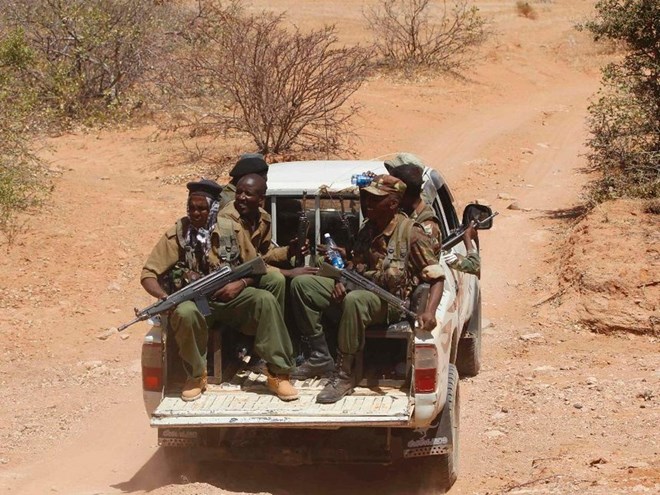
Mandera, Kenya (CN)- Two police officers were on Saturday, December 4, shot dead by suspected Al Shabaab militants while 12 others were injuries following an ambush on a police lorry.
In an interview with CeelwaaqNews, North Eastern Region police boss Rono Bunei said that the police lorry of registration number GKB 954T from Rhamu to Mandera town when Al shabab militants attacked, 40 kilometres from Mandera town.
North Eastern regional police commander Rono Bunei confirmed the incident and said a reinforcement had been sent to the ground to pursue the attackers.
“The injured were airlifted to Nairobi where they are admitted, other officers are currently combing the area in pursuit of the militants,” Bunei told ceelwaaqNews via phone.
The report further revealed the names of officers who sustained injuries on the head, stomach, back and hips.
They were identified as Seargeant Benard Kariuki, Police Constables; Geoffrey Matayo, Andrew Kibrogon Rono, Murithi Kenneth, Charles Nyaga, Ian Kibui, Jabril Kassim, Martin Amukule, Fredrick Samanyo and Ronald Bett.
The area near the Somalia-Kenya border, militants usually cross at will and stage attacks before escaping back.
Facebook has changed its name to “Meta” in a shift away from social media and towards developing “the metaverse,” a digital world that could be the next generation of the internet. Here’s what they have planned.
Social media giant Facebook is changing its name to “Meta” as part of a rebrand meant to highlight the company’s new focus on developing “the metaverse.”
“From now on, we’re going to be metaverse first, not Facebook first,” CEO Mark Zuckerberg said Thursday.
A week after teasing the news of the name change, Zuckerberg made the announcement on Thursday in a keynote address at Facebook Connect, the company’s annual in-house virtual reality conference. The 37-year-old founder has spent much of the past year talking up this pivot. He has said he expects people will one day know Facebook as a “metaverse company” more than a social network.
Zuckerberg describes the metaverse, which he sees as the next generation of the internet, as a virtual environment that will allow people to be present with each other in digital spaces.
“Within the metaverse, you’re going to be able to hang out, play games with friends, work, create, and more,” the CEO said in a recent earnings call. “You’re basically going to be able to do everything that you can on the internet today as well as some things that don’t make sense on the internet today, like dancing.”
Facebook recently launched the beta version of Horizon Workrooms, a remote-working app
Why is Facebook doing this?
This flashy endeavor at least temporarily distracts from Facebook’s unending barrage of bad press. For years the social media giant has been under fire for encouraging the spread of misinformation and for its opaque policies around user data. Matters have only gotten worse in recent months after a whistleblower exposed many of the company’s secrets.
At the same time, the social platform is falling out of favor with younger users. Many are instead flocking to the Chinese-owned video app TikTok. Facebook makes money by selling targeted advertisements to marketers. But if user numbers dwindle, advertising revenue will, too.0 seconds of 0 seconds 00:19 mins.DW NEWS | 25.10.2021
By repositioning itself as a new, futuristic company, Facebook may be hoping to outlive the original generation of social media companies — and its own bad reputation. Metaverse advocates, including Facebook, have insisted no one company will own or run the metaverse. But by making a strong push for it, Facebook can try to position itself as a leader in the space.
In reality, interactive online games like Roblox and Minecraft as well as software developer Epic Games have already existed and thrived for some time as precursors to the metaverse. But Facebook already acquired virtual reality device maker Oculus in 2014, and recently said it plans to invest several billion dollars per year in its metaverse initiative going forward, building on its arsenal of virtual and augmented reality services and tools. It also plans to spin out Facebook Reality Labs (FRL), the business segment that oversees this area, into its own separate unit starting from the fourth quarter this year.
What projects are in the works?
FRL encompasses everything related to Oculus, Facebook’s virtual reality (VR) hardware and software initiative, as well as Horizon Worlds, a virtual reality online game played using an Oculus VR headset and handheld controllers.https://www.youtube.com/embed/PwVV-zczHYI?wmode=transparent
In Horizon Worlds, users generate games and worlds of their own design. In August, Facebook launched the beta version of Horizon Workrooms, a professional version of the Horizon application. It allows Oculus users to meet up in customizable virtual conference rooms where avatar versions of themselves can talk and collaborate on projects, working out their thoughts together on digital white boards. Coworkers without access to a headset can also join the room via video call.
In his keynote address, Zuckerberg also described developments on Horizon Homes, an application meant to provide users with a digital home space, where they can store their digital goods, hang out with avatars of their friends, and teleport to other spaces and worlds.
Teleporting in the metaverse “will be like clicking a link on the internet,” the CEO said.
How will it make money?
These projects are just the beginning. But how will this generate revenue exactly? Zuckerberg’s plan is, at first glance, surprisingly old school: selling merchandise.
In Facebook’s Quarter 2 earnings call, Zuckerberg stressed that the company won’t be focusing on selling virtual reality devices like its Oculus headsets as its main generator of profit. Rather, he sees a “a very big digital economy” opening up within the metaverse itself.
“I think digital goods and creators are just going to be huge […] in terms of people expressing themselves through their avatars, through digital clothing, through digital goods, the apps that they have, that they bring with them from place to place,” he said.
“Commerce is going to be a big part of the metaverse,” Facebook’s Head of Metaverse Products Vishal Shah said in the keynote. “You’re going to be able to sell both physical and digital products.”
First, however, the company said it will need to attract “hundreds of millions” of users before this business model will be viable, the company’s goal in the medium term.0 seconds of 0 seconds 05:37 mins.DW NEWS | 26.10.2021
Is this idea likely to succeed?
If Facebook does want to stay in the game, it may indeed be the right moment to move away from its reliance on targeted advertising. The push to regulate the tech giant, particularly in the realm of user data privacy, has gained momentum over the last 18 months, something that could cripple its ability to make profit. This fact was made clear by Facebook’s lower-than-expected growth in the second quarter of 2021. Zuckerberg said this was due to changes to iPhone maker Apple’s privacy rules, which allow users to opt out of being tracked by third parties for advertising purposes.
Moving into the unknown realm of the metaverse poses major challenges. Facebook itself said succeeding will require at least 12 major technological breakthroughs. The whole movement could still fall on its face.
But marketwise, it resembles the early days of the internet and social media in that it’s still a regulatory Wild West, and enterprising tech players certainly see an opportunity to make money before lawmakers catch up.
As Uhuru Kenyatta mounted a political comeback by campaigning against corruption, his family’s secret fortune was growing offshore, a massive new leak shows.
At his annual State of the Nation address last fall, President Uhuru Kenyatta mounted the podium at Kenya’s Parliament to acknowledge that too many Kenyans live in poverty and too many officials loot the country’s public resources.
The son of Kenya’s first president and leader of one of Africa’s largest economies, the 59-year-old Kenyatta urged lawmakers to join him in fighting corruption and yet again declared “the centrality of transparency, accountability and good governance as the anchors of sustainable development.”
But a massive cache of newly leaked documents show that Kenyatta’s family has for years been secretly accumulating a personal fortune behind offshore corporate veils.
Kenyatta, along with his mother, sisters and brother, have for decades shielded wealth from public scrutiny through foundations and companies in tax havens, including Panama, with assets worth more than $30 million, according to records obtained by the International Consortium of Investigative Journalists and shared with more than 600 reporters and media organizations around the world.
The records – from the Panamanian law firm Aleman, Cordero, Galindo & Lee (Alcogal) – show that the family owned at least seven such entities, two registered anonymously in Panama and five in the British Virgin Islands. One BVI company owned a home in central London, according to the records, and two other companies held investment portfolios worth tens of millions of dollars. The Kenyattas’ offshore wealth, revealed here for the first time, represents part of an estimated half-billion-dollar family fortune amassed in a country where the average annual salary is less than $8,000 a year.
The family began to accumulate much of its offshore wealth while Uhuru Kenyatta was a rising political star. Two offshore companies were created during an investigation into alleged looting of the public treasury during the watch of President Daniel arap Moi, Kenyatta’s former political patron.
Under Kenyan law, the president must provide a list of financial interests to the Ministry of Finance each year. Kenyatta and his family members did not respond to requests for comment, including whether he declared any offshore interests or was required to do so.
Details of the Kenyatta family’s offshore wealth have been brought to light by the Pandora Papers, a collection of more than 11.9 million records from 14 law firms and other service providers based in the United Arab Emirates, the Seychelles, Panama, Singapore and other tax havens.
The investigation has revealed assets of 35 current or former world leaders, including the king of Jordan, the prime minister of the Czech Republic, and Kenyatta’s fellow African leaders Ali Bongo Ondimba of Gabon and Denis Sassou-Nguesso of the Republic of Congo.
The discovery that Kenyatta and his family owned Panamanian foundations and a string of shell companies provides a jarring contrast to Kenyatta’s projected image as a transparency advocate. Documents show that the expansion of the Kenyattas’ offshore holdings coincided with Uhuru Kenyatta’s political rise, with increasing the layers of secrecy to shield the family’s wealth from scrutiny even as Uhuru solidified his role as a man of the people.
The ‘burning spear’
The story of the Kenyatta family fortune, with its various companies and foundations in tax havens, begins with an ambitious tribal scion who would become one of post-colonial Africa’s most iconic leaders: Jomo Kenyatta.
Uhuru Kenyatta’s father was born Kamau Ngengi circa 1894 in the fertile Central Highlands of what was then known as British East Africa. Kamau’s father was a village chief in the powerful Kikuyu tribe, in a country where tribal affiliation often determines the outcome of elections. Educated at a Christian mission school, the young Kamau signaled his ambitions by taking the name Jomo Kenyatta, a local word for “burning spear.”
At the start of the 20th century, a British colonial government tightened its grip on the region’s non-white population. A “hut tax” was imposed on people with little or no money, many of whom depended on their crops and livestock for survival. Some were driven to prostitution or consigned to forced labor.
Like many of his contemporaries, Jomo Kenyatta rebelled.
“Nothing is more important than a correct grasp of the question of land tenure,” Kenyatta wrote in 1938, while attending university in London. “For it is the key to the people’s life.”
Jomo Kenyatta returned home to lead a pro-independence party and was quickly imprisoned by the British on unfounded and politically motivated charges that he led the nationwide rebellion then underway. When he left prison nearly nine years later, Jomo took charge of independence negotiations, and, in 1963, Kenya gained independence, with Kenyatta as prime minister. In 1964, he became the country’s first president, and he presided over an economic boom that burnished the country’s reputation as a post-colonial model.
But instead of building democracy, Kenyatta turned the fledgling nation into a one-party state marked by arbitrary detention, torture and political assassination. Promised land reform became a land grab: Kenyans found that property had simply changed hands from European elites to Kenyatta cronies.
A United Nations-backed commission would later find that in two years, one-sixth of all properties previously held by Europeans, including “vast farms” and valuable coastal real estate, were “cheaply sold” to Kenyatta, his family and his allies. According to the final 2013 report of Kenya’s Truth, Justice and Reconciliation Commission, beneficiaries included Kenyatta’s fourth and most influential wife, Ngina, their children, including Uhuru, and Moi, Kenya’s vice president at the time.
“Throughout the years of his administration, both land grabbing and irregular land allocations were perpetrated by and for the benefit of the president himself, members of his immediate family, his relatives and friends,” the report declared.
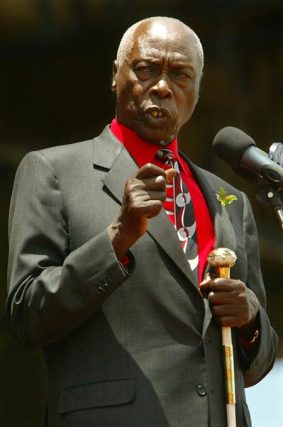
Following Jomo Kenyatta’s death in 1978, in his 80s (his date of birth is unknown), Moi took over as president, as a result of complex negotiations designed to head off tribal feuds.Former Kenyan president, Daniel arap Moi. Image: Pedro Ugarte/AFP via Getty Images
After an attempted 1982 military coup, Moi plunged Kenya deeper into authoritarianism, and over more than two decades, he looted more than $2 billion, a government-commissioned investigation would find.
Protected by their ties to Moi and by Jomo Kenyatta’s aura as father of the nation, the Kenyattas thrived.
Uhuru’s mother, Ngina, popularly known as “Mama Ngina,” was given 264 acres over decades, according to a later government probe, which recommended that the landholdings be revoked.
With vast landholdings and backing from international investors, the family built a business empire, acquiring large stakes in well-known Kenyan enterprises, including a media conglomerate,a major bank and upscale hotels.
In 1993, the family founded Brookside Dairy, which expanded across East Africa and is now Kenya’s largest milk producer. One of Jomo and Ngina’s daughters, Kristina Wambui-Pratt, became a shareholder in a company that builds housing from polystyrene panels. Another, Anna Nyokabi Muthama Kenyatta, married a gem-mining magnate and managed the Kenyatta family’s beachfront hotel. A discreet and camera-shy son, Muhoho, now controls the family’s finances, according to local media reports.
But none of Jomo and Ngina Kenyatta’s children rose faster or farther than Uhuru.
Named after the Swahili word for freedom, Uhuru played rugby (and socialized with Moi’s eldest son, Gideon) at a Nairobi private school. He graduated from Amherst College, an elite U.S. liberal arts institution, in 1985 and returned home to launch an agricultural business and enter politics. He became the chairman of a local political party in 1997, and Moi named him to lead the country’s tourist board.
Uhuru burnished his everyman bona fides by dancing in public, while managing to indulge an equally public taste for expensive watches.
In 2001, Moi appointed Uhuru Kenyatta to a vacant seat in Parliament and, a month later, to the cabinet. Under increasing internal and international pressure to retire at the end of his second term, as required by the Kenyan constitution, Moi tapped Kenyatta to run as his successor in the 2002 election, betting on the Kenyatta name and tribal connections. But a coalition of reformist opposition parties crushed the Moi-Kenyatta alliance, relegating the 41-year-old Kenyatta and his party to the opposition .
The new president, Mwai Kibaki, ordered a probe of the Moi administration and the insiders who had helped spirit money out of East Africa. He appointed Kroll Inc. – the private investigation firm that had unearthed the financial secrets of Iraq’s Saddam Hussein and Haiti’s Jean-Claude “Baby Doc” Duvalier, among others – to lead the inquiry.
Kenyatta was on the front lines of those who rallied to Moi’s defense.”The government should stop digging into the past,” Kenyatta told a rally of Moi supporters in western Kenya’s verdant Rift Valley near Lake Victoria.
But within a year, a leaked version of the Kroll report spilled into the headlines with blockbuster allegations: Moi and his inner circle had embezzled as much as $2 billion – more than twice what Kenya was receiving in foreign aid in a year — and stashed hundreds of millions of dollars in bank accounts overseas. The report alleged that Moi and his associates “laundered” and “parked” perhaps $400 million in accounts at Geneva’s Union Bancaire Privée and elsewhere. Kenyatta was not named in the report.
According to the report, the looting peaked in late 2003 after the new government took power. “A marked flurry of activity has been reported among ex-President Moi’s family and their close associates to pre-empt any possibility of losing their wealth to the government,” Kroll reported.
Moi denied wrongdoing and officials quickly announced that he would face no charges in exchange for a smooth transition of power. But the Kroll investigation’s linking ill-gotten wealth to Switzerland and Panama devastated his political legacy, and it raised questions about who else may have benefited from the regime’s looting.
Client 13173
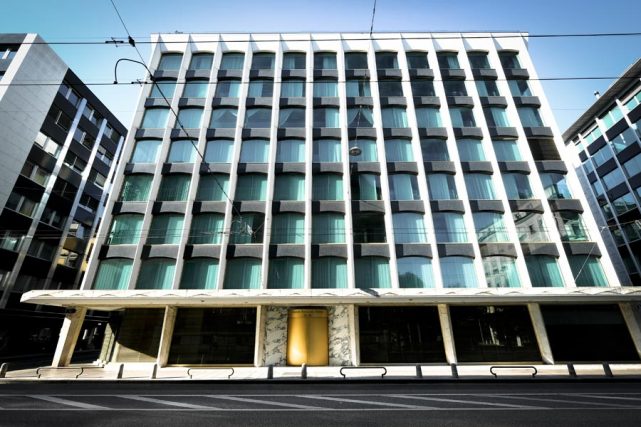
One of the largest private banks in Switzerland, Union Bancaire Privée advises some of the world’s wealthiest people on how to manage their money. Its eight-story glass headquarters overlooks Lake Geneva and the nearby Prada, Versace and Mont Blanc storefronts.Union Bancaire Privée offices in Geneva, Switzerland. Image: Raymond PIAT/Gamma-Rapho via Getty Images
Like other private banks, Union Bancaire Privée often works with law firms in the British Virgin Islands, the Seychelles and other secrecy jurisdictions to create, register and maintain shell companies – which are without real operations and which list paid stand-ins as corporate officers on official paperwork – and similar entities that help clients conceal their ownership and wealth.
Some “offshore” clients are private citizens seeking to avoid taxes in the country where they live or acquire their wealth. Other clients are politicians and public officials, who are called “politically exposed persons” in the trade, because their wealth is deemed more likely to stem from bribery or other forms of corruption.
In July 2003, the same month that Kenyatta defended Moi in public, records show that a Union Bancaire Privée lawyer, Othmane Naïm, asked Panama offshore specialists to help register a new foundation, to be known as the Varies Foundation. The foundation, like a trust, was designed to manage and shelter wealth for its beneficiaries.
Draft bylaws, also from July 2003, name the foundation’s beneficiaries: Uhuru Kenyatta and his mother. Later, records show, Union Bancaire Privée helped manage a foundation for Uhuru’s brother, Muhoho.
Invoices from Alcogal in Panama to the bank show that the Swiss advisers referred to the Kenyattas with a code: “client 13173.”
As with trusts and foundations offered elsewhere, including Belize (also South Dakota and Nevada), Panama foundations can be designed to allow families to transfer wealth from one generation to another, tax free. Typically, an individual, or “founder,” transfers assets, such as a bank account or real estate, to the foundation, which becomes the assets’ legal owner.
Panamanian foundations are prized, like trusts, because those who create them, the true owners of the assets, are not required to register their names with the Panamanian government. That secret remains with their lawyers. Any breach of confidentiality laws carries a jail sentence of up to six months, the same sentence imposed in Panama for certain categories of child abuse.
According to a World Bank study, foundations are a common tool to mask dirty money. Ferdinand Marcos, autocratic president of the Philippines, is alleged to have stolen billions of dollars while he ruled the country from 1966 to 1986, funneling millions through a Panamanian foundation.
Alcogal said that it complies with requirements where it operates and “performs enhanced due diligence on a client who is determined to be a high-risk customer.” It told ICIJ’s media partner, Finance Uncovered, that it has not provided services to the Kenyattas’ foundations since 2014.The foundations were eligible for suspension under Panamanian law for failing to pay annual taxes, Algocal said.
Naim told ICIJ that he could not respond to specific questions, but said “we always complied with all applicable legislations and regulations.”
The Pandora Papers reveal the Kenyattas also secretly owned offshore shell companies.
Muhoho Kenyatta owned three registered in the BVI, according to records: One had a bank account that held an investment portfolio worth $31.6 million in 2016; another had unspecified investments at a bank in London.
From 1999 to 2004, Ngina Kenyatta and her two daughters held shares in a BVI company, Milrun International Ltd. The sisters used the company to buy a London apartment in the upscale Westminster neighborhood, according to records.
Similar apartments in the modern brick building now sell for more than $1 million. The apartment was rented until July by an English member of parliament, Emma Hardy, according to public records. Hardy’s attorney said that she signed an ordinary rental agreement and had never heard of the company involved.
Return to power
Following elections in 2007, a sharply divided Kenya was under another coalition government, and, with part of the family fortune secreted offshore, Uhuru Kenyatta mounted a comeback, assuming a new political persona. The populist had become an anti-corruption reformer.
In public, Kenyatta vigorously espoused transparency, and anti-corruption activists praised him for his fight against graft.
When he ran for president a second time, in 2013, he toured the country, repeating seven “key pledges,” including food, water and electricity for all. He also promised security on the nation’s restive border with Somalia and stringent anti-corruption measures, including new laws and agencies to probe and punish wrongdoers.
“It is time to get tough on those who seek to use their positions of power for their own personal gain,” a coalition of four political parties, including Kenyatta’s, declared in their coalition manifesto.
That year, at the age of 51 and after decades of grooming, Uhuru Kenyatta was elected president.
In his first State of the Nation address, Kenyatta promised honest government and offered to forgo 20% of his salary.
YouTube will block all anti-vaccine content, moving beyond its ban on false information about the COVID vaccines to include content that contains misinformation about other approved vaccines, it said in a blog post on Wednesday.
Examples of content that won’t be allowed on YouTube include claims that the flu vaccine causes infertility and that the MMR shot, which protects against measles, mumps, and rubella, can cause autism, according to YouTube’s policies.
The online video company owned by Alphabet Inc (GOOGL.O) is also banning channels associated with several prominent anti-vaccine activists including Robert F. Kennedy Jr. and Joseph Mercola, a YouTube spokesperson said.
A press email for Mercola’s website said in a statement: “We are united across the world, we will not live in fear, we will stand together and restore our freedoms.” Kennedy did not immediately respond to requests for comment.
The moves come as YouTube and other tech giants like Facebook Inc. (FB.O) and Twitter Inc. (TWTR.N) have been criticized for not doing enough to stop the spread of false health information on their sites.
But even as YouTube takes a tougher stance on misinformation, it faces backlash around the world. On Tuesday, Russian state-backed broadcaster RT’s German-language channels were deleted from YouTube, as the company said the channels had breached its COVID-19 misinformation policy.
Russia on Wednesday called the move “unprecedented information aggression,” and threatened to block YouTube. [USN:L8N2QV2GD]
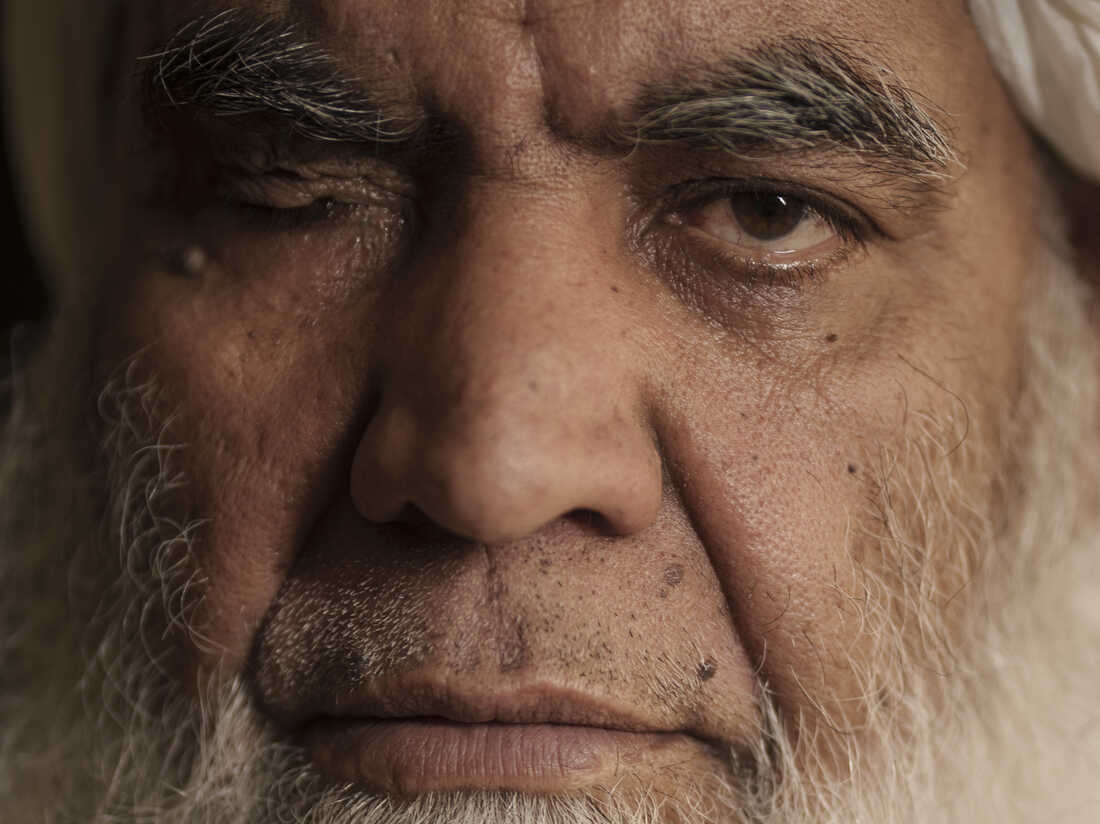
KABUL, Afghanistan (CN) — One of the founders of the Taliban and the chief enforcer of its harsh interpretation of Islamic law when they last ruled Afghanistan said the hard-line movement will once again carry out executions and amputations of hands, though perhaps not in public.
In an interview with The Associated Press, Mullah Nooruddin Turabi dismissed outrage over the Taliban’s executions in the past, which sometimes took place in front of crowds at a stadium, and he warned the world against interfering with Afghanistan’s new rulers.
“Everyone criticized us for the punishments in the stadium, but we have never said anything about their laws and their punishments,” Turabi told The Associated Press, speaking in Kabul. “No one will tell us what our laws should be. We will follow Islam and we will make our laws on the Quran.”
Since the Taliban overran Kabul on Aug. 15 and seized control of the country, Afghans and the world have been watching to see whether they will re-create their harsh rule of the late 1990s. Turabi’s comments pointed to how the group’s leaders remain entrenched in a deeply conservative, hard-line worldview, even if they are embracing technological changes, like video and mobile phones.
Turabi, now in his early 60s, was justice minister and head of the so-called Ministry of Propagation of Virtue and Prevention of Vice — effectively, the religious police — during the Taliban’s previous rule.Article continues after sponsor messagenull
At that time, the world denounced the Taliban’s punishments, which took place in Kabul’s sports stadium or on the grounds of the sprawling Eid Gah mosque, often attended by hundreds of Afghan men.
Executions of convicted murderers were usually by a single shot to the head, carried out by the victim’s family, who had the option of accepting “blood money” and allowing the culprit to live. For convicted thieves, the punishment was amputation of a hand. For those convicted of highway robbery, a hand and a foot were amputated.
Trials and convictions were rarely public and the judiciary was weighted in favor of Islamic clerics, whose knowledge of the law was limited to religious injunctions.
Turabi said that this time, judges — including women — would adjudicate cases, but the foundation of Afghanistan’s laws will be the Quran. He said the same punishments would be revived.
“Cutting off of hands is very necessary for security,” he said, saying it had a deterrent effect. He said the Cabinet was studying whether to do punishments in public and will “develop a policy.”
In recent days in Kabul, Taliban fighters have revived a punishment they commonly used in the past — public shaming of men accused of small-time theft.Article continues after sponsor messagenull
On at least two occasions in the last week, Kabul men have been packed into the back of a pickup truck, their hands tied, and were paraded around to humiliate them. In one case, their faces were painted to identify them as thieves. In the other, stale bread was hung from their necks or stuffed in their mouth. It wasn’t immediately clear what their crimes were.
Wearing a white turban and a bushy, unkempt white beard, the stocky Turabi limped slightly on his artificial leg. He lost a leg and one eye during fighting with Soviet troops in the 1980s.
Under the new Taliban government, he is in charge of prisons. He is among a number of Taliban leaders, including members of the all-male interim Cabinet, who are on a United Nations sanctions list.
During the previous Taliban rule, he was one of the group’s most ferocious and uncompromising enforcers. When the Taliban took power in 1996, one of his first acts was to scream at a woman journalist, demanding she leave a room of men, and to then deal a powerful slap in the face of a man who objected.
Turabi was notorious for ripping music tapes from cars, stringing up hundreds of meters of destroyed cassettes in trees and signposts. He demanded men wear turbans in all government offices and his minions routinely beat men whose beards had been trimmed. Sports were banned, and Turabi’s legion of enforcers forced men to the mosque for prayers five times daily.
In this week’s interview with the AP, Turabi spoke to a woman journalist.
“We are changed from the past,” he said.
He said now the Taliban would allow television, mobile phones, photos and video “because this is the necessity of the people, and we are serious about it.” He suggested that the Taliban saw the media as a way to spread their message. “Now we know instead of reaching just hundreds, we can reach millions,” he said. He added that if punishments are made public, then people may be allowed to video or take photos to spread the deterrent effect.
The U.S. and its allies have been trying to use the threat of isolation — and the economic damage that would result from it — to pressure the Taliban to moderate their rule and give other factions, minorities and women a place in power.
But Turabi dismissed criticism over the previous Taliban rule, arguing that it had succeeded in bringing stability. “We had complete safety in every part of the country,” he said of the late 1990s.
Even as Kabul residents express fear over their new Taliban rulers, some acknowledge grudgingly that the capital has already become safer in just the past month. Before the Taliban takeover, bands of thieves roamed the streets, and relentless crime had driven most people off the streets after dark.
“It’s not a good thing to see these people being shamed in public, but it stops the criminals because when people see it, they think ‘I don’t want that to be me,'” said Amaan, a storeowner in the center of Kabul. He asked to be identified by just one name.
Another shopkeeper said it was a violation of human rights but that he was also happy he can open his store after dark.
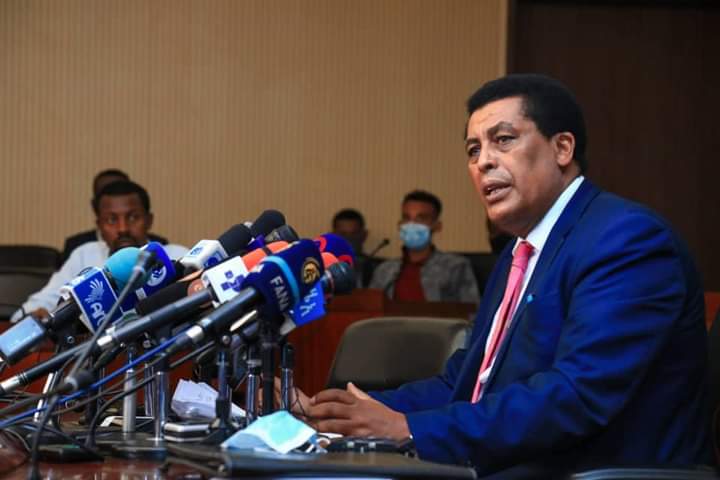
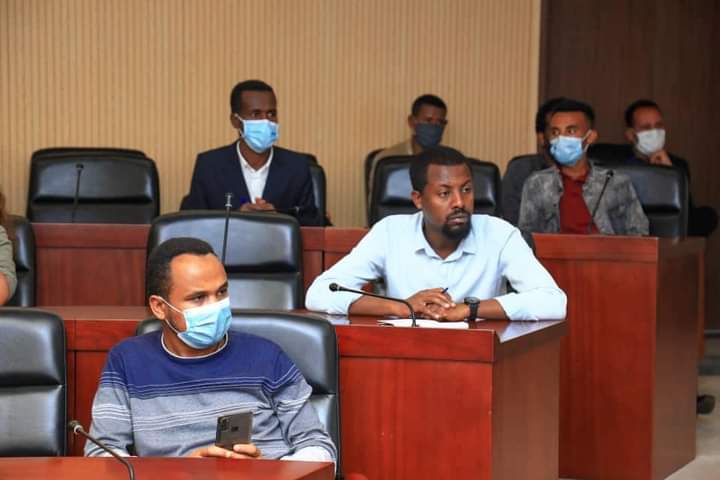
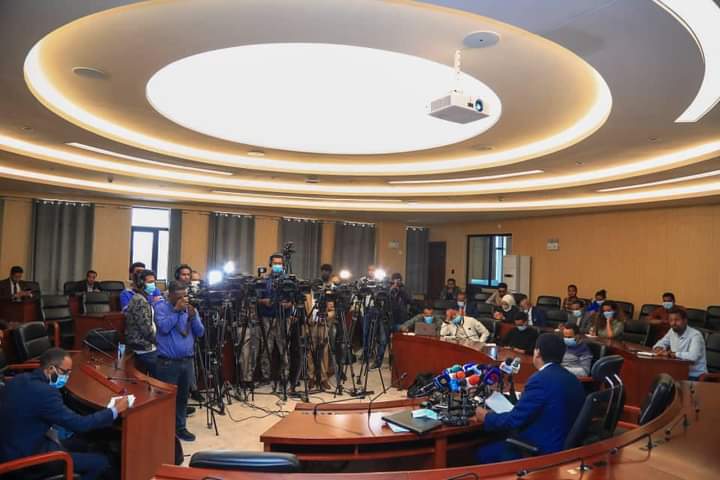
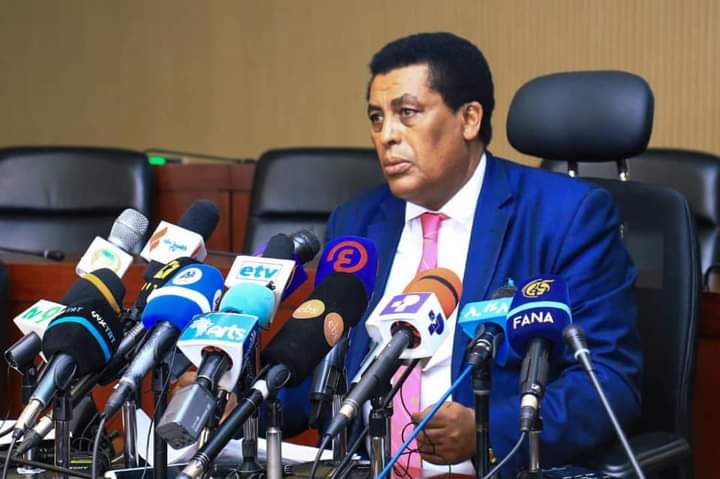
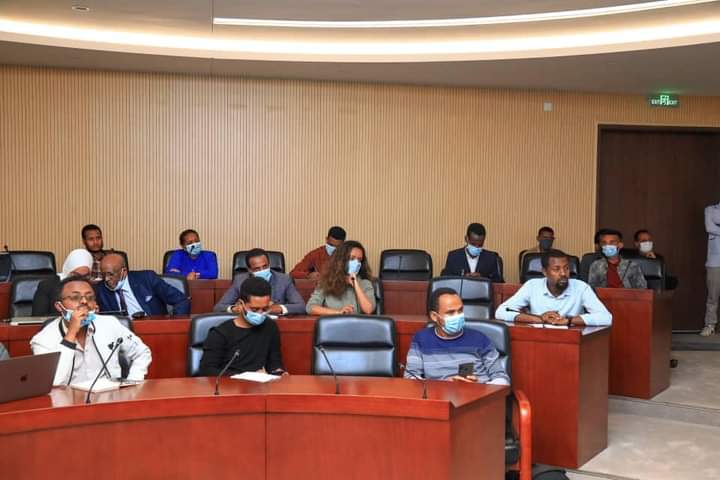
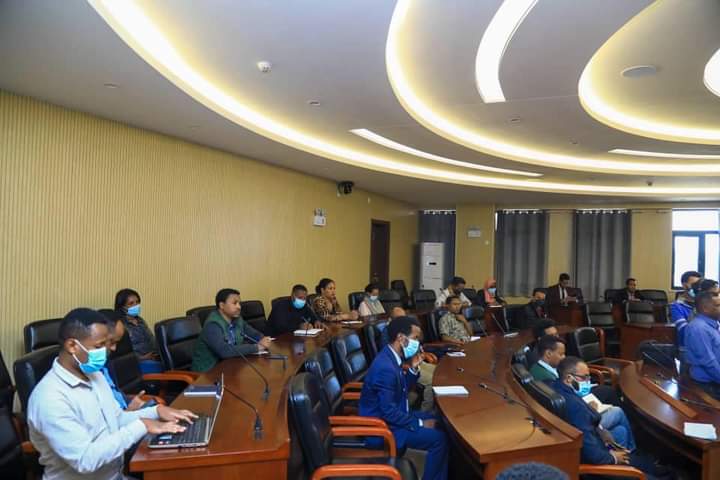
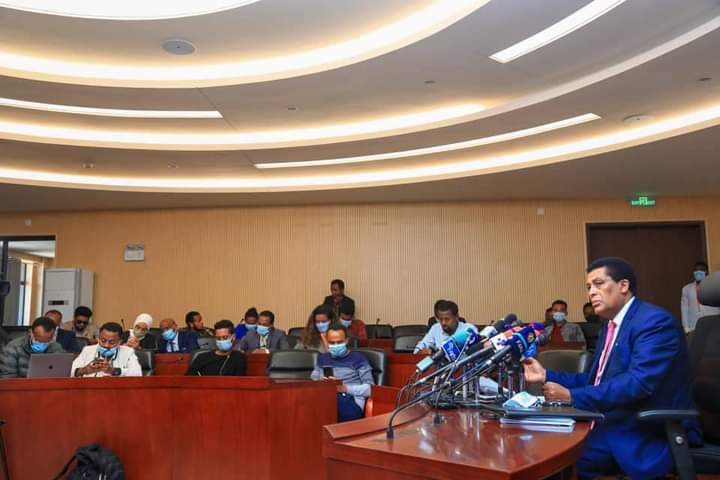
The spokesperson of Foreign Affairs of Ethiopia, H.E. Ambassador Dina Mufti, gave the Ministry’s biweekly press briefing today (16 September 2021) to the media. In his presentation, the Ambassador focused on political diplomacy, the ongoing institutional reform at the Ministry, Economic diplomacy, and citizen-centered diplomacy.
I. #PoliticalDiplomacy
The Ministry of Foreign Affairs of Ethiopia has issued a press release regarding the statement of the president of the UN Security Council on the matter of the Grand Ethiopian Renaissance Dam (GERD). According to the statement,
➢ Ethiopia welcomes council members for directing the matter to the African Union-led trilateral negotiation. ➢ It is regrettable that the Council pronounces itself over an issue of water rights and development that is outside of its mandate. ➢ Tunisia’s historic misstep in advancing the Council’s pronouncement undermines its solemn responsibility as a rotating member of the UNSC on an African seat. ➢ Ethiopia believes the time is now for the Nile Basin countries to brace for and foster basin-wide cooperation. ➢ Ethiopia will not recognize any claim that may be raised on the basis of the presidential statement.
H.E. Demeke Mekonnen held talks with the H.E. Christophe Lutundula, Deputy Prime Minister and Minister of Foreign Affairs of DRC. The discussion between the two sides focused on the continuation of the tripartite negotiations on the Grand Ethiopian Renaissance Dam, which has been held under the leadership of the African Union.
On the occasion, Mr. Demeke,
• Expressed his appreciation for the positive role played by the government of the Democratic Republic of Congo in the trilateral negotiations on the Grand Ethiopian Renaissance Dam.
• Affirmed Ethiopia’s determination to continue the tripartite talks at any given time.
• Expressed Ethiopia’s strong desire for equitable and reasonable water use, noting that the Nile Basin should be a source of cooperation than conflict.
• Said the previous trilateral negotiations had yielded tangible results, adding that it would be possible to narrow the differences between the three countries by resuming the negotiation as soon as possible.
Mr. Christophe Lutundula, for his part,
• Expressed his delight over the peacefully concluded national elections in Ethiopia.
• Lauded Ethiopia’s commitment to continue participating in the GERD talks.
• The Democratic Republic of Congo strongly believes in the principle of “African solution to Africa’s problems” which should guide the Renaissance Dam talks that could start in the near future.
• He also said that the tripartite negotiation could be started soon.
The first EU Humanitarian Air Bridge flight arrived in Tigray on Saturday (September 11) carrying 7 metric tons of nutritional supplies. The flight carried UNICEF’s critical supplies, such as ready-to-use therapeutic food for severely malnourished children.
Newly appointed ambassadors of Australia and Denmark and UNHCR Country Representative presented copy of their letters of credentials to the Director-General for protocol affairs at the Ministry of Foreign Affairs of Ethiopia.
FDRE Ambassador to Tanzania H.E. Yonas Youssef held talks with Tanzania’s Director General of African Affairs, Naim Aziz on current affairs and bilateral relations. During the meeting, the two countries agreed to move the agreements signed between the two countries to a higher level.
H.E. Ambassador Alemtsehay Meserert, Ethiopia’s Ambassador in Uganda had held a discussion with Ambassador J. Mugume & Ambassador F. Beyendeza from Ugandan Council on Foreign Relations – a think tank group. They have agreed to hold joint dialogues and forums on contemporary issues – The Nile river, climate change, peace and security matters.
H. E. Ambassador Demitu Hambisa Bonsa met with Deputy Foreign Minister of the Hellenic Republic H.E. Ambassador Themistoklis Demiris in Athens and discussed bilateral relations, the current situation in Ethiopia, the Grand Ethiopian Renaissance Dam, and the Ethio-Sudanese border conflict. The two sides highlighted the long-lasting bilateral relations between the two countries and agreed to work together to further strengthen the relationship.
II. Institutional #Reform
➢ A 10-day capacity building training for the Ministry’s staff kicked off on Monday (September 13) at Africa Leadership Excellence Academy. All of the staffers of the Ministry will take part in the training in two rounds. In delivering remarks at the opening session of the Academy, H.E. Demeke Mekonnen, Deputy Prime Minister and Foreign Minister of Ethiopia addressed 5 of the most significant issues regarding the reform that the Ministry of Foreign Affairs is undertaking right now.
What factors were considered in undertaking the institutional reform of the Ministry?
• Lessons learned from working experiences of the institution in the past/ taking the good and dropping the undesirable • The need to transform our diplomatic activities • The need to follow new modelling in appointing diplomats • The need to measure the performance of our missions in line with the purpose of their establishment • The need to restructure missions based on our needs • new realities in the international arena • to adapt to changes in the diplomatic landscape which is being affected by the digital • to enforce austerity measures and control excessive expenditure in foreign currency to withstand the economic burden of the pandemic • to adopt a merit-based approach in appointing diplomats
Why did the Ministry of Foreign Affairs recall its diplomats?
• Setting aside all the misconceptions and rumours out there, we believe that the Ministry is a dynamic institution with highly skilled and knowledgeable professionals • But things that should be improved are identified and the gap should be filled with the reform that we are planning to undertake. Some diplomatic activities need a departure from the conventional way of doing things and this needs new restructuring of the diplomatic community in the institution.
How/why do we restructure the Headquarter and the missions?
• We are determined to scale up the country’s influence in the diplomatic arena • The Head office should be restructured in a way that it can effectively lead and coordinate all of our missions • Synergy should be created among newcomers and career diplomats in the institution
What is the Purpose of the training?
• To let our diplomats be acquainted with issues tailored to the needs of the upcoming institutional reform
What were the challenges encountered and lessons acquired from the experience of implementing the national level reform programs at various institutions that could serve as inputs for the reform at the Ministry?
• The government has been grappling with the misinformation and disinformation campaigns regarding the conflict in Tigray, the Ethio-Sudan border dispute and the 6th General elections. The issues have threatened to curb our reforms in various sectors. One of the victims of such campaigns is the Ministry of Foreign Affairs. With the formation of the newly elected government and the institutional reform we are undertaking in the Ministry, lessons learned to curb such campaigns would be applied.
➢ The fourth day of Capacity building training given for staff of the Ministry of Foreign Affairs of Ethiopia at Africa Leadership Excellence Academy commenced today (September 16, 2021). State minister H.E. Ambassador Birtukan Ayano chaired the second day session, where Dr. Mihret Debebe, the renowned psychiatrist and motivational speaker, spoke on “New Mindset and New Diplomacy.” Dr. Miheret’s presentation highlighted the importance of developing a new mindset to change the Modus Operandi of individuals, institutions, and the country to better register commendable results in the diplomatic arena. The lively training ended with a Question and answer session.
➢ The Third day training focused on the process of the national level reform from various angles. Dr. Yonas Zewde from the Prime Minister’s Office spoke on the importance of national reform and achievements and challenges encountered during the past three years. Commissioner of Planning and Development Commission, Dr. Fitsum Assefa, also spoke on the ten-year economic plan of the country and institutional as well as structural reforms. H.E. Ambassador Redwan Hussein has chaired the sessions.
III. #Citizencentered diplomacy
The Ministry of Foreign Affairs of Ethiopia pledged to take care of and cover the costs for necessities for 15 children over the new Ethiopian Year (2014). State Minister H.E. Ambassador Birtukan Ayano said the Ministry has to continue to be exemplary in playing its social responsibility roles, besides defending Ethiopia’s interests at the diplomatic fronts. With the new additions, the total number of Children covered under this package will be 29.
Ethiopians living in Kuwait donated more than Birr 1,100,000.00 (One Million One Hundred Thousand) in support of our heroic Defense Force. Upon receiving the collected money from coordinators, Ambassador Hassan lauded the active participation of Ethiopians and people of Ethiopian descent in Kuwait in responding positively to national development calls and said that the financial support raised by such a movement is a source of pride for our victorious army.
More than $ 10,000 worth of bonds were purchased in Bahrain following the successful completion of the second phase filling of the Grand Ethiopian Renaissance Dam. The participants reaffirmed their commitment to continue supporting the government until the completion of the Renaissance Dam.
A total of 1804 of Ethiopians are repatriated from Saudi Arabia, 1364 from Zambia, 50 from Yemen, 268 from Yemen and 122 from Malawi.
IV. #EconomicDiplomacy
H.E Oumer Husen, Minister of Agriculture and Natural resources, participated in the CII India Africa agriculture and food processing summit that was held on Sept 14-15, 2021. In his speech H.E emphasised that Agriculture is one of the best prospect sectors for growth in Ethiopia and the Government of Ethiopia (GOE) has embarked on a ten-year economic development plan (2021-2030) where agriculture is on the top of priority sectors. He also underlined the potential of Ethiopia’s agriculture and possible cooperation with India in terms of experience sharing and further collaboration.
H.E. Ambassador Demitu Hambisa Bonsa had a fruitful discussion with the Hellenic Republic Athens Chamber of Commerce and Industry Mr. Nilolaos Vasiliou Administrative Committee International Relations. The main points of the discussion were focused on the immense investment opportunities and incentives in Ethiopia and the vast trade potential that Ethiopia offers to the Greek businessmen through the Chamber of Commerce and Industry.
The newly formed FDRE Land Bank and Development Corporation had an online discussion with various international developers and mission leaders in the tourism and hospitality sectors in Africa, Asia, the Pacific, Europe, the Middle East, and the US. The Corporation presented areas of cooperation with stakeholders in the tourism and hospitality sectors.
The FDRE Consulate General in Mumbai has sent two representatives of INDORAMA Venture Limited, an Indian company, to Ethiopia. They are having talks with officials from Ethiopian Investment Commission and Industrial Parks Corporation. The company is interested in investing ten million US dollars in the chemical manufacturing and packaging materials sector in Ethiopia.
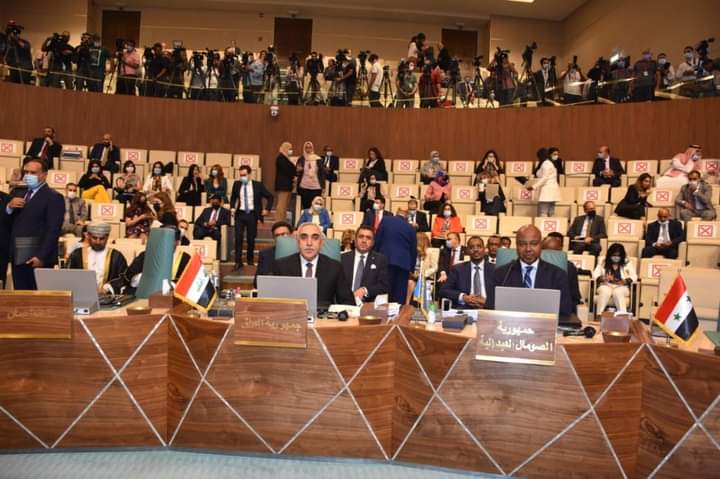
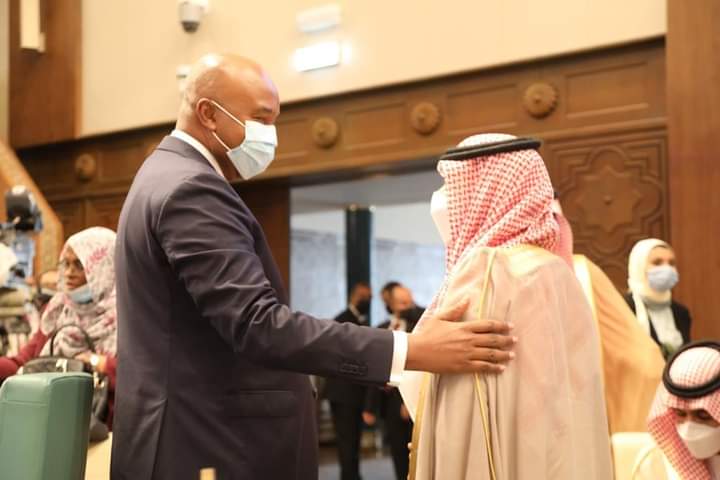
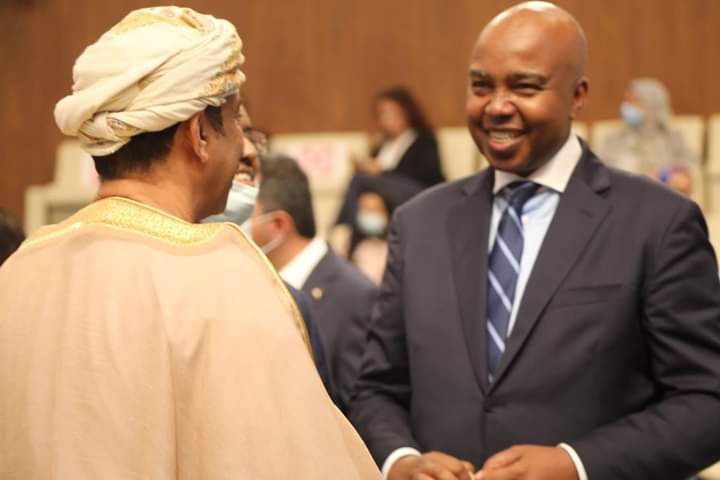
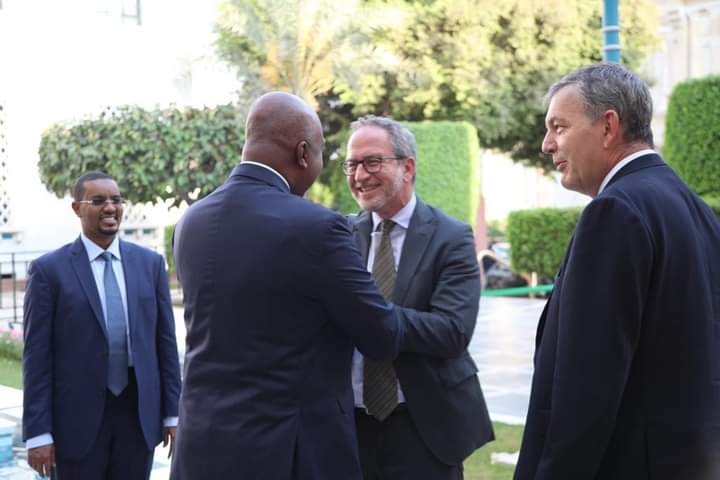
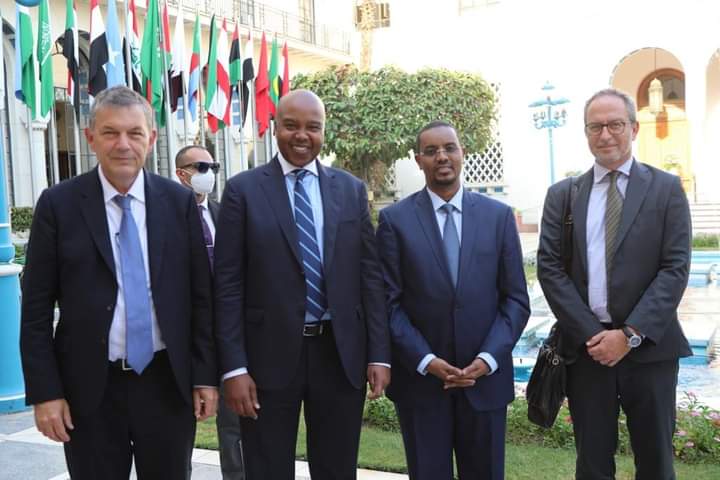
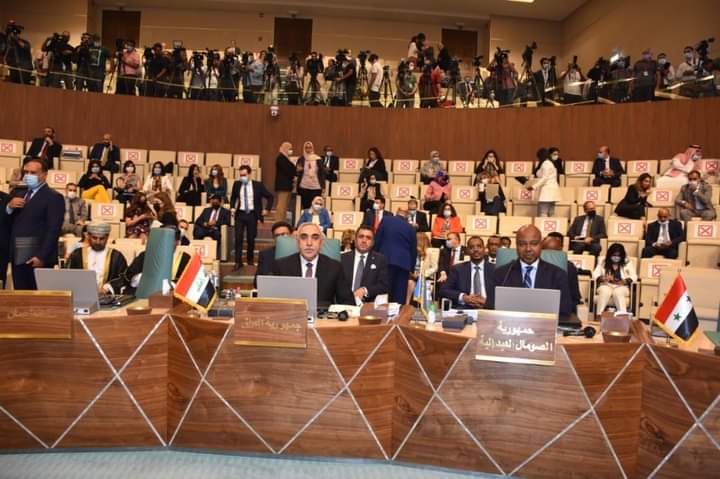
Qaahira, September 12, 2021 – Wasiirka Arrimaha Dibadda iyo Iskaashiga Caalamiga, Mudane Maxamed Cabdirisaaq Maxamuud, ayaa ku tilmaamay shirkii Jaamacadda Carabta ee heer Wasiir Arrimo Dibadeed ee ku qabsoomay Magaalada Qaahira intii u dhexeysay 9-10 September mid miro dhal ah, iyadoo looga dooday ajandaha ah in dhaqaale lagu taageero doorashooyinka Soomaaliya, Arrinta Falastiin, xaaladihii ugu dambeeyay wadamada Suuriya, Yemen, Liibiya iyo Lubnaan, iyo mowduucyo kale oo muhiim ah.
Wasiirrada Arrimaha Dibadda Carbeed ayaa waxa ay isku raaceen, kalfadhigoodii caadiga ahaa ee 156 -aad, oo uu shir -guddoominayay Wasiirka Arrimaha Dibadda ee Dowladda Kuwait, Sheikh Dr. Ahmad Nasser Al-Mohammad Al-Sabah, in doorashada Soomaaliya laga taageero dhanka dhaqaalaha iyo farsamada, si loo dhameystiro ka hor dhammaadka sanadkaan 2021-ka.
Wasiirka Arrimaha Dibadda iyo Iskaashiga Caalamiga ee Jamhuuriyadda Federaalka Soomaaliya ayaa hadal uu ka jeediyay Shirka Wasiirrada Arrimaha Dibadda Carabta waxa uu caddeeyay in Xukuumadda Federaalka Soomaaliya ay ka sugeyso ka qeybqaadasho dhab ah oo hore loogu dhaqaajinayo geeddi -socodka doorashada iyo taageerada maaliyadeed iyo farsamo, taas oo loo tixgelin doono inay tahay farriin cad oo ku socota dadka Soomaaliyeed iyo beesha caalamka si loo xaqiijiyo ahmiyadda dalalka Carabta ee walaalaha ah ay ugu fadhido Soomaaliya si ay uga gudubto caqabadaha jira.
Wasiir Maxamed Cabdirisaaq ayaa hadalkiisa sii raaciyay in Soomaaliya ay ku tallaabsatay horumar weyn sanadihii la soo dhaafay, balse ay weli u baahan tahay taageerada walaalaheeda Carbeed si loo horumariyo, dibna loogu dhiso hey’adaha dowladda, loona sii wado hirgelinta barnaamijyada mudnaanta leh ee ku suntan kor u qaadista qiyamka dimuqraadiyadda, xukunka oo si nabadgelyo ah la iskugu xil-wareejiyo iyo qabashada doorashooyin (iyadoo doorashada Aqalka sare ay bilaabatay , waxaa xigi doona doorashada Golaha Shacabka, kadibna doorashada Madaxweynaha) , iyo sidoo kale taageeridda hey’adaha dawladda, dib-u-dhiska dalka, deyn cafinta, iyo maalgelinta qeybaha muhiimka ah sida xoolaha, beeraha iyo kaluumaysiga.
Soomaaliya ayaa ka codsatay wadamada Carabta in ay bixiyaan qarash dhan $12 milyan oo doolar oo ka qeyb ah 29 milyan ee loo qorsheeyay in lagu socodsiiyo howsha doorashada.
Markii ugu horreysay tan iyo markii ay burburtay dowladdii dhexe ee Soomaaliya sanadkii 1991, Soomaaliya waxa ay bixin doontaa lacagta ugu badan ee doorashooyinka baarlamaaniga iyo tan madaxweynaha, iyadoo dalalka reer galbeedka ay bixiyeen 7.7 milyan oo doolar oo ay soo marsiiyeen Qaramada Midoobey, halka lacagta laga uruurin doono musharrixiinta lagu qiyaasay 8.2 milyan oo doollar, taas oo ka dhigaysa Soomaaliya inay bixiso lacagta ugu badan ee miisaaniyadda guud ee loo qoondeeyay doorashooyinka.
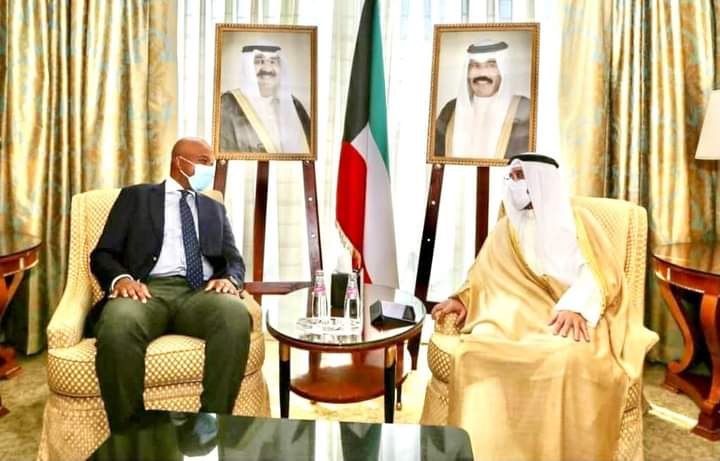
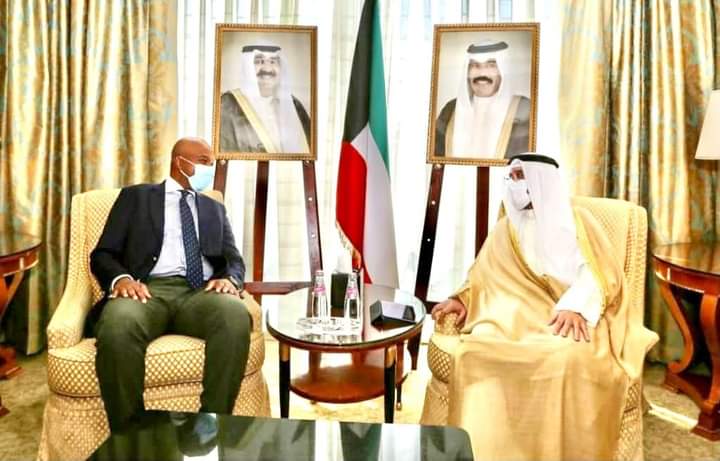
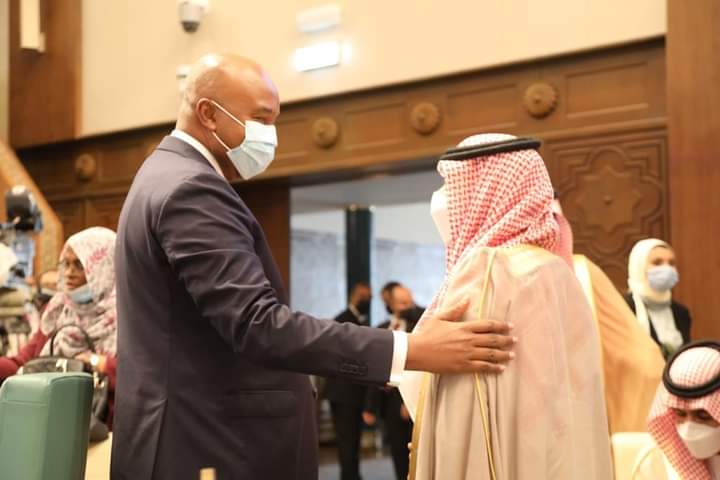
Dhanka kale, Wasiirka Arrimaha Dibadda Soomaaliya ayaa wadahadal labo dhinacle ah la yeeshay dhiggiisa Kuwait, Sheikh Dr. Ahmad Nasser Al-Mohammad Al-Sabah, isagoo sidoo kale khadka teleefoonka kula hadlay dhigaggiisa Qatar iyo Saldanada Cumaan, Sheikh Mohammad bin Abdulrahman Al-Thani iyo Sayyid Badr bin Hamad bin Hamood Albusaidi, waxa uu kala hadlay horumarinta xiriirka laba geesoodka iyo fursadaha iskaashi ee heer walba leh iyo xoojinta isku-duwidda si loogu adeego dano wadaagga.
Cairo, September 12, 2021 – The Minister of Foreign Affairs and International Cooperation, H.E. Mr. Mohamed Abdirizak Mohamud, described the meeting of the Council of the League of Arab States at the level of foreign ministers, held on September 9-10 in Cairo, as fruitful, as they discussed the agenda of financially supporting the Somali elections, the Palestinian issue, developments in Syria, Yemen, Libya and Lebanon, and other important topics.
The Arab foreign ministers agreed, in their 156th ordinary session, chaired by the State of Kuwait, represented by H.E. Sheikh Dr. Ahmad Nasser Al-Mohammad Al-Sabah, Minister of Foreign Affairs, to support the Somali elections financially and technically, to complete them before the end of the current year 2021.
In a speech by the Minister of Foreign Affairs and International Cooperation of the Federal Republic of Somalia at the meeting of Arab foreign ministers, he stressed that the Somali federal government is looking forward to a real contribution to advancing the electoral process and supporting it financially and technically, which will be considered as a clear message to the Somali people and the international community to confirm the interest of the brotherly Arab countries in crossing the country to safety and overcoming the current challenges.
His Excellency Minister Mohamed Abdirizak added in his speech that Somalia has made great progress in the past years, but it still needs the support and backing of its Arab brothers to develop and rebuild state institutions and continue implementing priority programs that are represented in promoting the values of democracy, peaceful transfer of power and holding elections (which began the Senate and will be followed by the People’s House up to the presidential elections), as well as support for state institutions, reconstruction, debt relief, and investment in key sectors such as livestock, agriculture and fisheries.
Somalia appealed to the Arab countries to pay $12 million out of the $29 million budget planned for the conduct of the electoral process.
For the first time, Somalia since the collapse of its central rule in 1991 will pay the most amount of the parliamentary and presidential elections budget, as Western countries paid $7.7 million through the United Nations, while the the amount that will be collected from the candidates is estimated at 8.2 million dollars, which makes Somalia to pay the largest amount of the total budget allocated to the elections.
In the same context, the Somali Foreign Minister held a bilateral meeting with his Kuwaiti counterpart, H.E. Sheikh Dr. Ahmad Nasser Al-Mohammad Al-Sabah, and over the phone with his Qatari and Omani counterparts, H.E. Sheikh Mohammad bin Abdulrahman Al-Thani and H.E. Sayyid Badr bin Hamad bin Hamood Albusaidi, and discussed with them the development of bilateral relations and opportunities for cooperation at all levels and the strengthening of coordination to serve common interests.
WASHINGTON — President Joe Biden on Thursday plans to announce sweeping new vaccine mandates designed to ramp up pressure on the unvaccinated, putting in place additional requirements for federal employees, large employers, and health care providers that the administration said would affect around 100 million workers, more than two-thirds of the U.S. workforce.
Biden will ask the Department of Labor to issue a rule requiring all employers with 100 or more employees to ensure their workforce is fully vaccinated or produce a negative Covid test at least once a week, said a senior administration official. The requirement could carry a $14,000 fine per violation and would affect two-thirds of the country’s workforce, the official said.null
Biden will also order that the vast majority of health care facilities require their staff be fully vaccinated as a condition of Medicare and Medicaid reimbursement, a move that would affect 17 million workers at 50,000 health care providers, the official said. As of July, 27 percent ofthe country’s health care workers were unvaccinated, according to a study by the Covid States Project.
The administration, which shied away from mandates early in the summer, is now embracing them, as the president Biden once billed as the “summer of freedom” ends with thousands of unvaccinated Americans dying from Covid-19 every week. Much of Biden’s wider agenda and political standing is seen as dependent on his ability to address the pandemic, with his approval numbers falling as new infections rise.
Biden will announce the measures in a speech from the White House Thursday as part of a broader plan to combat the virus.
In the remarks, Biden is also expected to announce two executive orders requiring all federal executive branch workers and employees of contractors that do business with the federal government be vaccinated, according to a person familiar with the plans. Biden had given federal workers the choice of undergoing regular testing instead of getting vaccinated, but that testing opt-out will no longer be an option.
“It’s simple: If you want to work for the federal government, you must be vaccinated. If you want to do business with the government, you must vaccinate your workforce,” the senior administration official said.
To make testing more accessible, the president will announce that Walmart, Amazon, and Kroger will start selling at-home rapid tests for no profit for the next three months, resulting in a 35 percent price cut by the end of the week. Medicaid will also cover at-home tests for free for beneficiaries, and the federal government will expand a free testing program to 10,000 pharmacies.
To help address surging cases in schools that has results in hundreds of closures over the past month, an administration official said the president will call on all schools to set up regular testing and plans to make additional funding available for local school districts that have had their funding cut by state governments for implementing Covid safety measures, such as mask requirements.
The Department of Education has launched investigations into whether mask mandates in five states discriminate against students with disabilities who are at heightened risk for severe illness from Covid by preventing them from accessing in person education, the official said.
The administration will also require 30,000 Head Start teachers to be vaccinated and will call on governors to require vaccinations for teachers and school staff, the official said.
The CDC recommends testing be offered to students who have not been fully vaccinated when there is an elevated spread of the virus, and teachers and staff who have not been fully vaccinated should be screened regardless of the level of community transmission.
Biden’s Covid reset comes as the rapidly spreading delta variant threatens to stall the country’s economic rebound and derail efforts to return students to the classroom. Just weeks into the return to school tens of thousands of students and staff have had to isolate themselves following school outbreaks, and the administration attributed August’s disappointing jobs numbers to the variant as consumer confidence falls.
Biden’s approval rating for his handling of the coronavirus outbreak has steadily decreased over the summer, from 63 percent at the end of June to 53 percent this week, according to the FiveThirtyEight polling average. He’s also seen a drop in his wider approval rating, which slid 6 points since July to just 43 percent, in an NPR/PBS NewsHour/Marist poll released last week.
Entering the summer, Biden promoted his success at getting Covid cases to the lowest level since the start of the pandemic and predicted 70 percent of adults would be vaccinated by Independence Day. White House officials said they hoped Biden’s pandemic response would restore Americans’ faith in government and make it easier to sell other aspects of his domestic agenda, like an ambitious infrastructure spending package.
“America is headed into the summer dramatically different from last year’s summer: a summer of freedom, a summer of joy, a summer of get-togethers and celebrations,” Biden predicted on June 2. “An all-American summer that this country deserves after a long, long, dark winter that we’ve all endured.”
The summer was indeed different, but not in the way Biden had anticipated. States such as Florida set records for the number of patients hospitalized with Covid, as new cases across the country went well above the numbers seen last summer due to the spread of the delta variant.
But at the same time, Americans followed through on Biden’s prediction of a return to celebrations and gatherings, something that now has public health officials fearing a new wave of infections following Labor Day weekend travel and get-togethers.
Across the country, states are seeing hospitals overwhelmed with Covid patients. In Idaho, which has some of the lowest vaccination rates in the country, officials said Tuesday they were allowing health care providers to begin rationing care to make scarce resources available to patients most likely to survive because of a severe shortage of staff, beds and equipment.
There has been some improvement in the pace of vaccinations, which started increasing again in recent weeks after leveling off in July. The U.S. passed the milestone this week of having 75 percent of adults at least practically vaccinated. The biggest gains have been among young adults and teens, which White House officials have attributed to vaccine mandates by colleges and employers along with increased fears from the delta variant.
The U.S. has also started to see a downturn in the number of new cases and deaths over the past week. But public health officials have warned that could be a short-lived break, following Labor Day weekend gatherings and millions of kids going back to school this week.
Health officials are also warning of a winter surge that could coincide with particularly severe flu seasons with kids back in school, people congregating more than last winter, and mask requirements gone in most of the country.
Ra’iisal Wasaaraha Itoobiya, Abiy Ahmed ayaa markii ugu horeysay ka hadlay tallaabada ay Ciidamada Federaalka kaga soo baxeen Gobolka Tigray, 28-kii bishii hore ee June.
Ra’iisal Wasaaraha ayaa maanta khudbad dhinacyo badan taabaneysay u jeediyay Baarlamaanka dalkaasi, isagoona ku soo hadal qaaday dagaalka Gobolka Tigrayga.
Ra’iisal Wasaaraha ayaa sheegay in dagaalku uu ahaa mid lagu khasbay Xukuumadda Addis Ababa, xilli sida uu sheegay aanay diyaarba u ahayn dagaalkaasi, isagoo intaa ku daray in xukuumadiisu ku khasbanaatay inay ka hortagto Ururka TPLF, oo halis ku ahaa buu yiri wadajirta wadanka Itoobiya iyo dalalka kale ee Geeska Afrika.
Waxa kaloo uu sheegay in dagaalka ay kaga adkaadeen TPLF, isla-markaana ay gaarsiiyeen heer aanay halis dambe ku noqon karin buu yiri Itoobiya iyo deriskeedaba. Hoggaankooda ayuuna sheegay inay tallaabo ka qaadeen, qaar badan oo ka mid ahna la soo xir xiray, kuwaa oo qayb ka ahaa dagaalka.
Abiy Ahmed, Ra’iisal Wasaaraha Itoobiya ayaa xusay in dagaalkan ay dowladdu ku bixisay lacag dhan boqol bilyan oo lacagta dalkaasi ah.
Dhanka kale Ra’iisal Wasaaraha ayaa meesha ka saaray sheegashada Ururka TPLF ee ku aaddan inaanay Ciidamada Federaalka isaga bixin gobolkaasi, balse ay iyagu ku khasbeen inay ka baxaan.
“Inaga ciidamadu kalama bixin Mekelle, maalintii ay shacabka maqleen, balse muddo bil ah ayaan wadnay, ciidamadii ugu badnaana waxa ay baxeen shan iyo toban maalmood ka hor, xilligii ay doorashada dhaceysay. Shacabkana kama war hayn bixitaanka ciidamada, falaagada TPLF-na kama war hayn.” Ayuu yiri Ra’iisal Wasaaraha.
Isagoo hadalkiisa sii wata ayuu yiri “Waxaan sidaasi u sameynay waxay ahayd, si shacabka qolyaha duurka ku jira u khaldaan, oo aysan jidgooyo u sameyn, maadaama ciidamada ay wateen kumanaan gaadiid ah. TPLF waxay isku dayeen meelaha qaar in ciidamada baxaya ay carqaladeeyaan. Mekelle oo wareegii 3aad uga baxnay cidda aaminsan in ciidamada xoog looga saaray, waxaan caddeyn ahaan ugu sheegayaa laba maalmood markii ay magaaladu cidna gacanta ugu jirin in ay TPLF soo galeen.”
Hadalka Ra’iisal Wasaare Abiy ayaa ku soo aadaya, maalin ka dib markii Ururka TPLF uu soo saaray shuruudo ay ku xireen xabad joojintii uu Golaha Ammaanka ee Qaramada Midoobey ugu baaqay.
CeelWaaqNews- United States President-elect Joe Biden has been formally given the go-ahead by a federal agency to begin his transition to the presidency, shortly after the battleground state of Michigan certified him as the winner there.
With the rapid-fire developments on Monday, President Donald Trump’s already languishing efforts to overturn his November 3 defeat appeared to be coming to a close.
The US General Services Administration (GSA), an independent agency, ascertained that Biden was the “apparent winner” of the election and informed Biden that his transition – leading up to a January 20 swearing-in – could officially begin.
GSA Administrator Emily Murphy made the determination after Trump’s efforts to challenge the vote failed across battleground states, citing “recent developments involving legal challenges and certifications of election results”.
Michigan certified Biden’s victory Monday, and a federal judge in Pennsylvania moved on Saturday to throw out a Trump campaign lawsuit seeking to prevent certification in that state.
Murphy, a Trump appointee, has faced bipartisan criticism for failing to begin the transition process sooner, preventing Biden’s team from working with agency officials on plans for his administration, including in critical national security and public health areas.
“Please know that I came to my decision independently, based on the law and available facts. I was never directly or indirectly pressured by any Executive Branch official – including those who work at the White House or GSA – with regard to the substance or timing of my decision,” Murphy wrote in a letter to Biden.













 Ceelwaaq News
You must be logged in to post a comment.